Welcome to Our Summer Season

Introduction
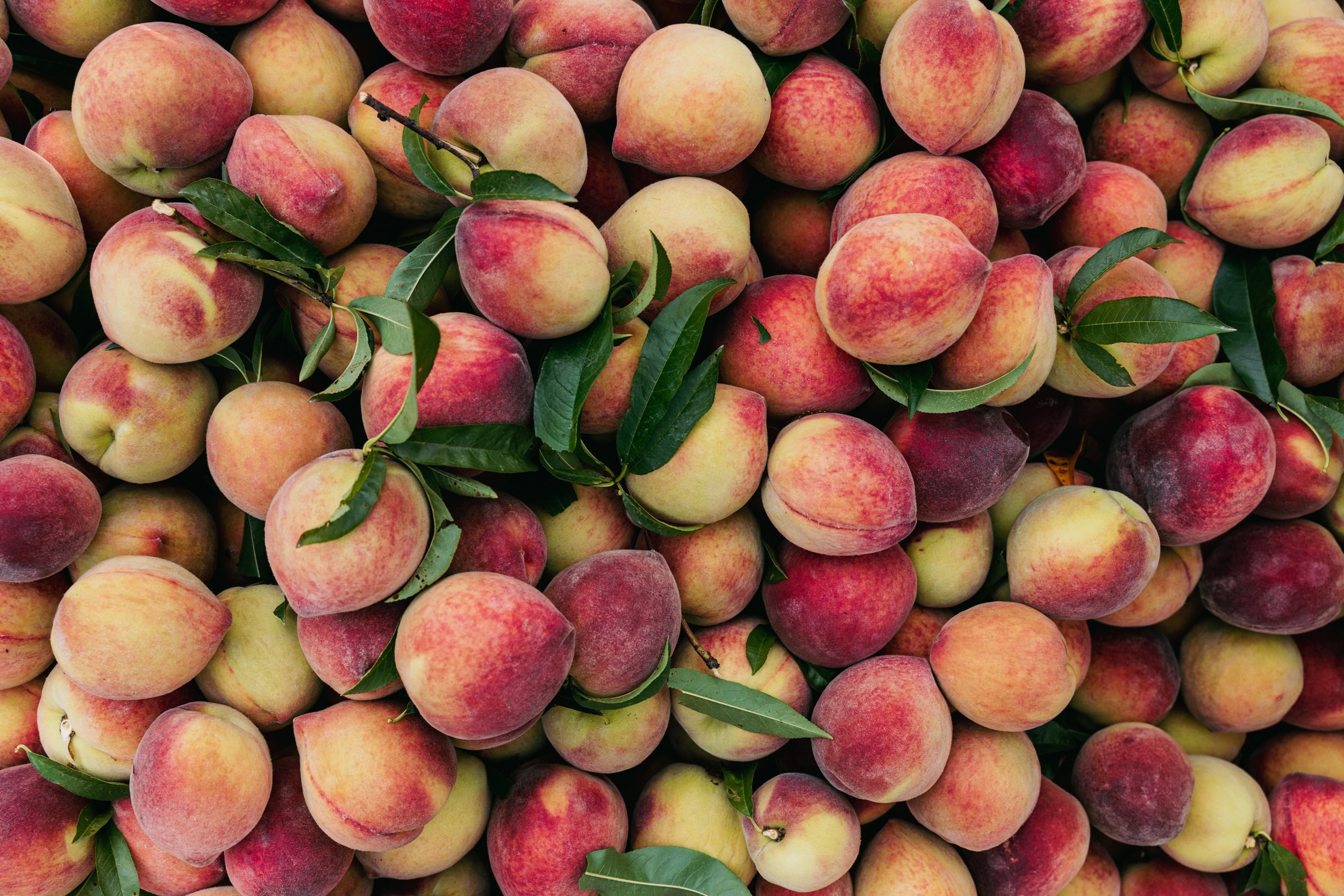
We always look forward to summer and it’s finally here! Our Georgia partners grow sweet, juicy Georgia Peaches, available at both in-person fruit stops and for home delivery.
All fruit is picked at peak ripeness and ready to enjoy. Our summer season runs throughout August, so be sure to plan your visit or delivery soon.
Three Ways to Shop

Fruit Stops
Join us at one of our 200+ Fruit Stop locations across the Midwest! Our trucks will offer fresh Georgia peaches and pecans from mid-June to early August and add Michigan blueberries as soon as they become available in early July.

Pop Ups
Join us at various pop-up events in greater Milwaukee and Madison this summer, where we offer 4lb bags of Georgia peaches, 5lb boxes of Michigan blueberries (when in season), and 1lb bags of Georgia pecans and New Mexico pistachios.

Home Delivery
Order our Georgia peaches to be delivered directly to your home within days of harvest!
During the summer, we offer a 13- or 26-count box of peaches, or you can try our summer Farm Share box.
Peach Care Tips
- Be gentle and wash, our peaches are already washed, but we always recommend a quick rinse.
- Let them ripen. Lay them out for 1-3 days on your counter stem-side down without stacking them. The warmer the room temperature is, the quicker they will soften. Peaches are ready to eat when soft to the touch and have a strong, peachy aroma.
- Do not put our peaches in the refrigerator before they have softened—they can turn mealy. After they have softened on your counter, you can refrigerate them safely for 1-2 weeks to extend their life.
- Enjoy soon! Fresh, farm-picked peaches are best within 1–2 weeks.

Recipes
Enjoy some of our favorite recipes developed by our team and our community. Including this Classic Peach Pie.

Our Farm Stories
Peach FAQ
Do not put your peaches in the refrigerator before softening them – they can turn mealy! After softening on your counter, you can refrigerate them safely for 1-2 weeks to extend their life.
Be careful when caring for your peaches – they bruise very easily! Try to use any bruised or softer fruit first. Our peaches are already washed, but we always recommend a quick rinse.
Let them soften. Lay them out for 1-3 days on your counter stem-side down without stacking them. The warmer the room temperature is, the quicker they will soften. Peaches are ready to eat when soft to the touch and have a strong, peachy aroma.
Firm peaches are normal and the way we intend you to get them! They will take 1-3 days to complete the ripening and softening process on your kitchen counter. Peaches continue their ripening process after being picked from the tree, and we ensure they are firm when you get them so they don’t bruise or get damaged while we ship them to you.
We allow our peaches to stay on the tree until the last second before they start to soften, which results in an amazing-tasting peach you can’t get anywhere else!
Our peaches come from Georgia’s oldest peach farm, Pearson Farm, in Fort Valley, Georgia.
All of our peaches are freestone. Over the course of our peach season (June-August) we bring many different varieties of Georgia peaches from Pearson Farm. Each variety harvests for roughly a week, so each time you purchase you’ll most likely be trying a different variety.
What is a freestone? It all has to do with how easily the peach flesh separates from the pit (stone). A clingstone peach “clings” to the pit. These varieties, while tasty, are tougher to eat and work with. In Georgia, they harvest clingstone peaches in May.
Once we get to mid-June, freestone peaches begin harvesting and we start delivering them to the Midwest. They are called freestone because the pit (stone) freely separates from the peach flesh. They’re easy to freeze, can, or eat. We only deliver freestone peaches!
After they soften on your kitchen counter, you can store them in the refrigerator for up to two weeks, but many of our customers are able to use them even longer.
We always recommend having a plan – make pies and cobbler, share some with friends and family, and preserve some to really make the best of your box!
While it may not seem full, your fruit is packed to protect the fruit while it’s transported to you. For this reason, we normally pack our fruit in oversized boxes. However, we guarantee you are getting the amount of fruit you paid for!
If you have any concerns about how much fruit you received, or feel that you did not receive the correct amount, please let us know through our contact form or via email at [email protected].
Our peaches and blueberries are non-GMO and are non-organic, and minimally treated to protect crops. Our farms work very hard to exceed the standards for safe application of any pesticides and only do it as a last resort. Many of our farms practice integrated pest management (IPM), which takes a proactive approach that relies on common sense and environmentally-sensitive pest management practices.